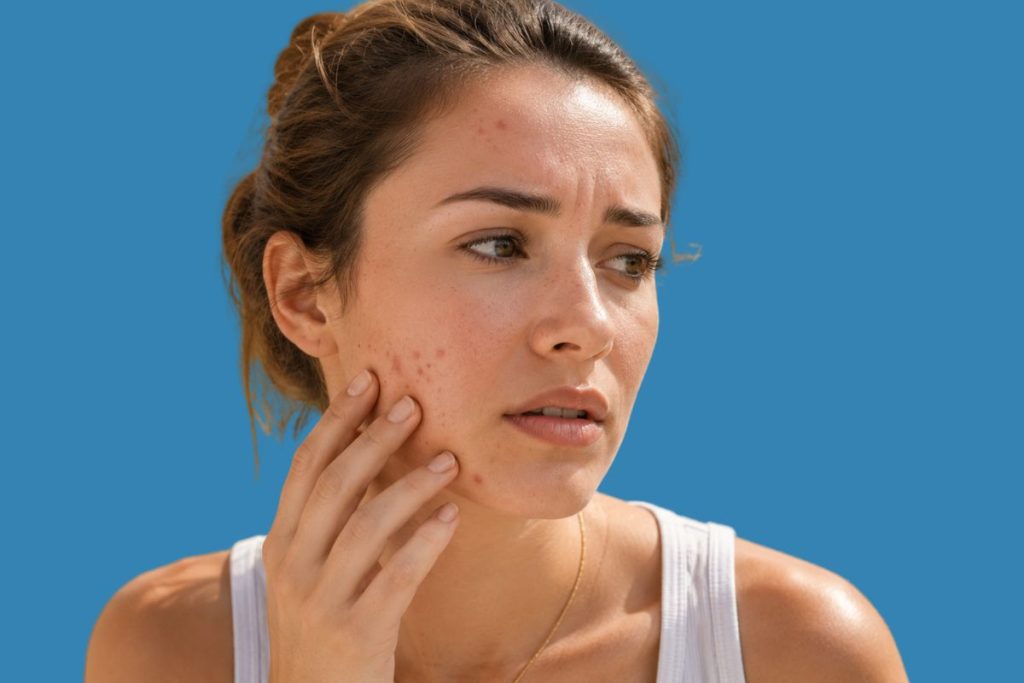
Summer acne becomes a frustrating pattern for many women who notice their skin getting oilier, shinier, and more congested during hotter months.
You expect summer skin to look fresh and radiant. Instead, breakouts become harder to control. Sweat, sunscreen, humidity, and heat suddenly make your skin feel more reactive than usual.
Breakouts begin showing up along the forehead, jawline, chest, or back. Makeup starts sliding off by midday. Your skin feels greasy faster than normal, and products that worked perfectly a few months ago suddenly do not seem as effective.
Many women become frustrated because their skin seems to worsen during the exact season they want to feel the most confident.
Summer acne is not just about sweat. In many cases, the real issue is inflammation, congestion, and skin barrier imbalance.
As an acne specialist in Florence, KY, Gina Gruber works with women who struggle with seasonal changes in their skin. After working with acne-prone skin through every season, Gina sees consistent patterns that many women overlook. One of the most common patterns Gina sees is women unintentionally over-treating already inflamed skin.
Many women in Florence, KY notice their skin becoming more reactive as summer heat and humidity increase.
Acne-prone skin often requires different support during hotter months, especially when oil production, humidity, and product buildup increase.
In this guide, you will learn why summer acne happens, which skincare habits may unintentionally make it worse, and what actually helps keep skin balanced, clear, and supported during the summer.
Why Summer Heat and Humidity Can Make Acne Worse

Summer changes the environment your skin is functioning in.
Heat naturally stimulates oil glands, which increases sebum production throughout the day. When excess oil combines with sweat, dead skin cells, and bacteria, congestion builds more easily inside the pores.
For many women, this is when breakouts suddenly increase even though their skincare routine has not changed. Hot weather acne often becomes more difficult to manage once humidity and oil production increase.
Sweat itself is not necessarily the problem. The issue is what happens when sweat sits on the skin for long periods of time, especially when mixed with makeup, SPF, oil, and environmental buildup.
This combination creates the perfect environment for clogged pores, summer breakouts, and inflamed skin.
Heavy sunscreen formulas can also contribute to congestion, particularly if they are not designed for acne-prone skin. Lighter, non-comedogenic SPF products often work better in hot and humid weather because they protect the skin without trapping excess oil and debris.
Inflammation also increases during warmer months. UV exposure, heat, and over-cleansing can weaken the skin barrier over time, making the skin more reactive and slower to heal.
Summer workouts can contribute as well. Sweatbands, hats, tight athletic clothing, and friction against the skin can trap oil and bacteria, especially around the hairline, chest, shoulders, and jawline.
Summer skin requires different support than winter skin. The products and routines that worked during colder months may suddenly feel too heavy or irritating once temperatures rise.
Summer Skincare Mistakes That Can Lead to Dead Skin Cells and Make Acne Worse
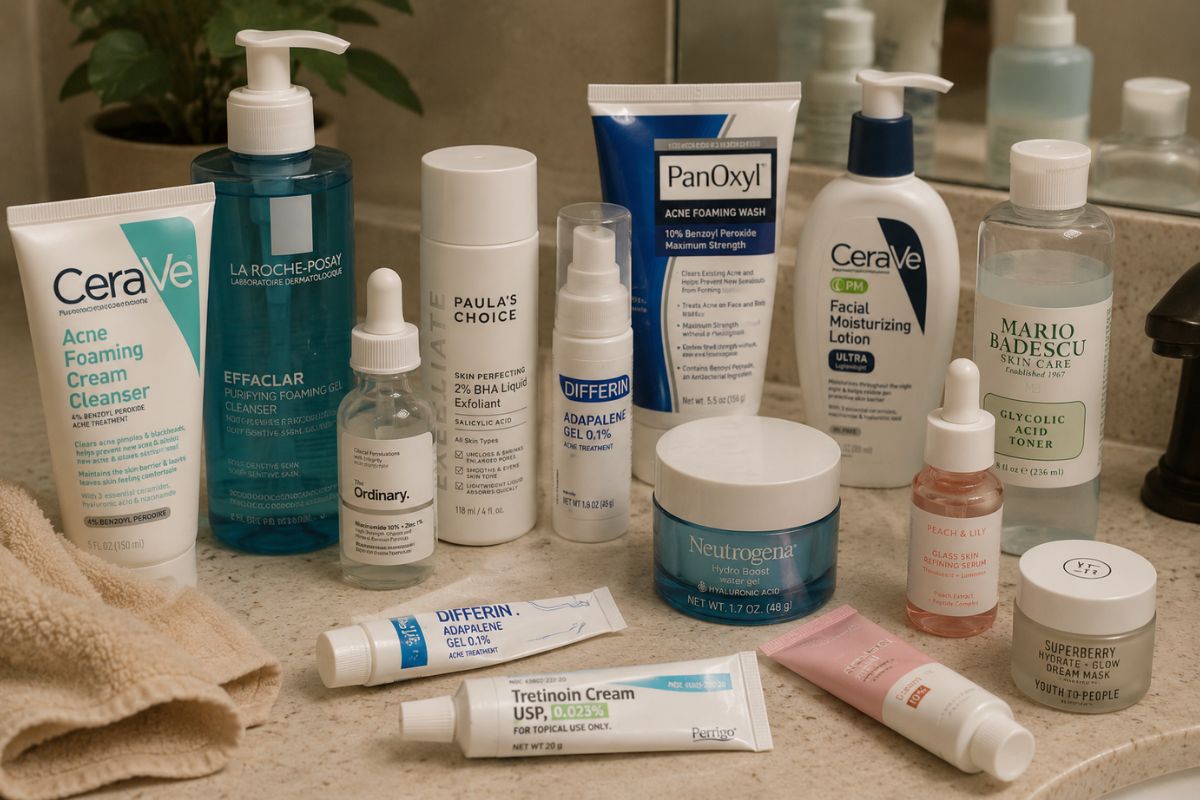
When breakouts increase during summer, many people respond by becoming more aggressive with their skincare.
Unfortunately, this often creates even more irritation.
One of the biggest mistakes is over-cleansing. Stripping the skin repeatedly can disrupt the barrier and trigger even more oil production. Skin that feels greasy is not always skin that needs harsher products, though increased sweating after heavy activity may justify an extra gentle cleanse rather than repeated stripping.
Over-exfoliating is another common issue. Many women begin layering acids, scrubs, or acne treatments more frequently during summer in an attempt to dry out breakouts quickly.
The problem is that excessive exfoliation combined with heat, sweat, and UV exposure can leave the skin inflamed and reactive. Avoid harsh scrubs, especially if you have acne-prone or sensitive skin.
Skipping moisturizer is another mistake that often backfires. Dehydrated skin can still produce excess oil, especially when the barrier becomes compromised.
Using the wrong SPF can also contribute to summer breakouts. Heavy sunscreen formulas may feel too occlusive for acne-prone skin, particularly during humid weather. Choosing lightweight, non-comedogenic options, including gel-based formulas and oil free moisturizers, can make a significant difference by helping prevent clogged pores from oil and sweat.
Double cleansing with non-comedogenic micellar water followed by a regular water-based cleanser can help remove waterproof SPF, sweat, and makeup.
Another common pattern is constantly switching products. Many people begin trend hopping during summer, trying new cleansers, masks, or viral skincare products every few weeks.
The harder many people try to “dry out” summer acne, the more reactive their skin becomes.
Signs Your Summer Routine May Be Overwhelming Your Skin
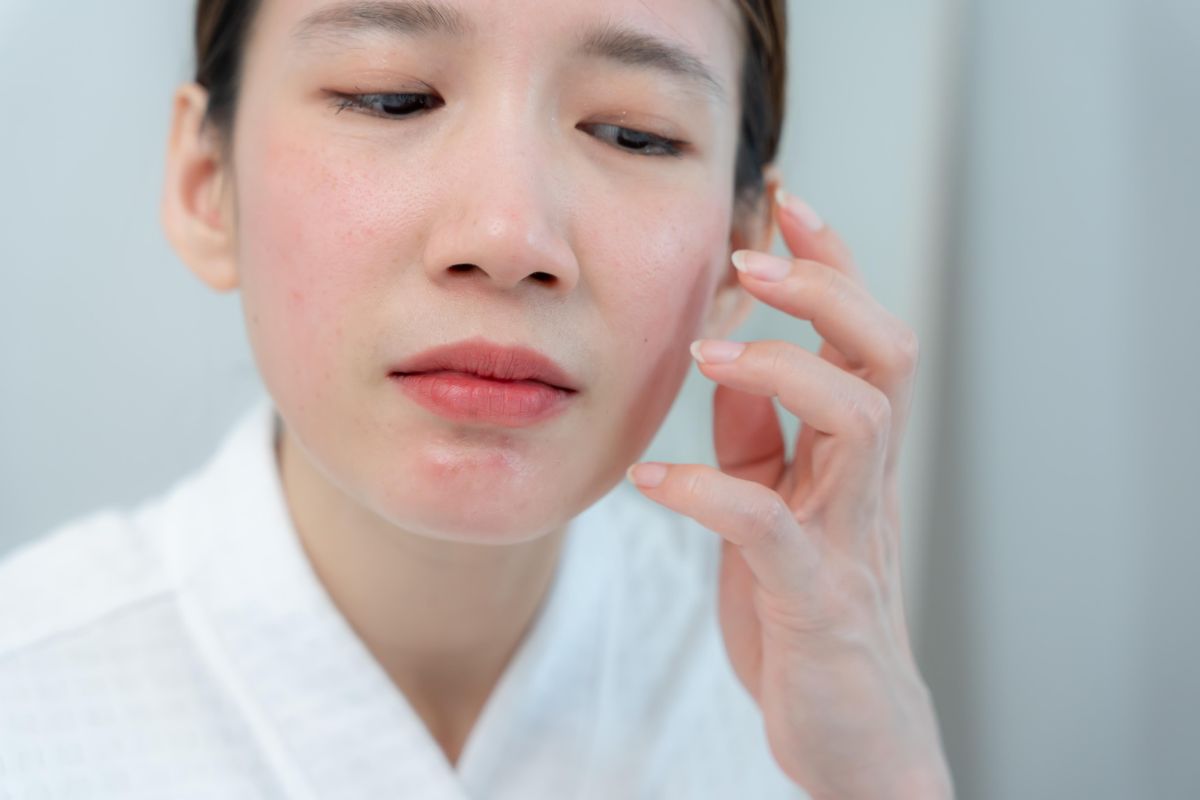
Tightness after cleansing
Increased redness
More frequent breakouts
Burning or stinging with products
Skin feeling both oily and irritated at the same time
Summer acne usually responds better to balance and consistency than aggressive routines.
How to Manage Summer Acne Without Over-Stripping Your Skin
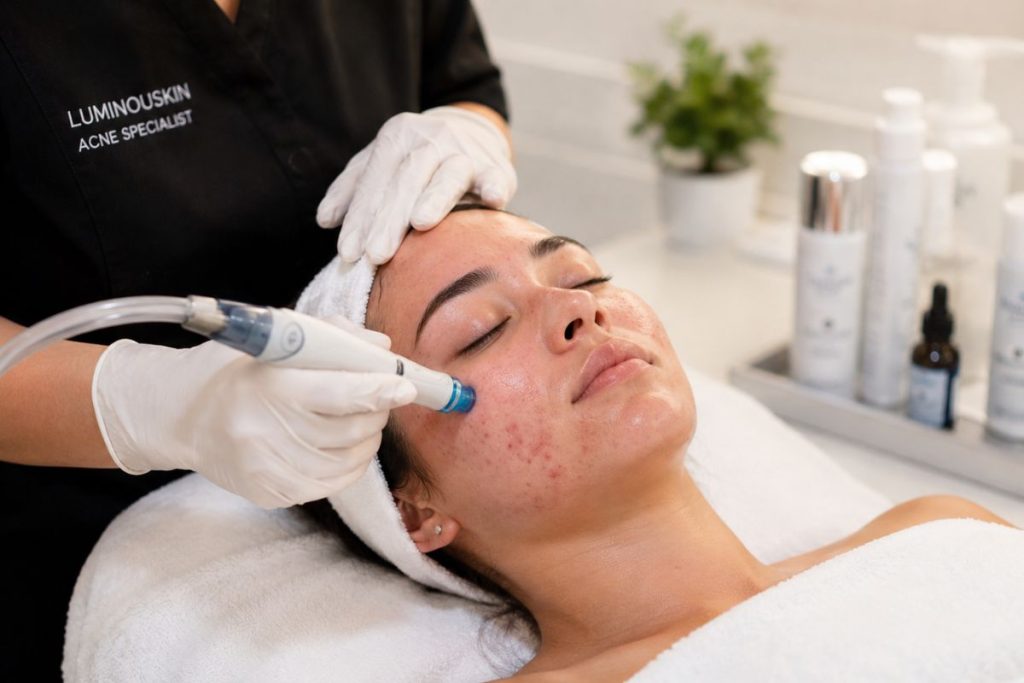
Managing summer acne starts with simplifying your routine instead of overwhelming your skin.
A gentle cleanser, lightweight hydration, and acne-safe SPF are often more effective than complicated routines filled with multiple active ingredients, though a smart skin care routine may also include targeted actives like salicylic acid or benzoyl peroxide when used appropriately. Salicylic acid is oil-soluble, so it can move through the outer layer and into pores to unclog pores and break up trapped oil and dead skin cells.
One of the most important goals during summer is maintaining a healthy skin barrier. Calm skin functions better. It regulates oil production more effectively, heals faster, and becomes less reactive overall.
Consistency matters more than intensity.
Clearer skin usually comes from supporting the skin consistently to help prevent acne, not attacking it aggressively.
Many women panic-switch products the moment a breakout appears, but constantly changing routines often creates more instability. Giving products enough time to work while keeping the skin supported usually leads to better long-term improvement.
Seasonal adjustments also matter. Products that feel supportive during winter may suddenly feel too heavy in hot and humid weather. This is why acne treatment should evolve with seasonal skin changes instead of staying exactly the same year-round.
For many women, this is where at-home skincare starts reaching its limit.
Professional acne treatments can also help manage summer breakouts more effectively.
Acne facials, professional extractions, and customized skin analysis allow congestion to be addressed safely before it turns into larger inflammatory breakouts. Many clients notice their skin becomes calmer and less reactive once congestion and inflammation are managed consistently.
Professional guidance also helps reduce the trial-and-error cycle that many women experience with at-home skincare.
If you are struggling with recurring breakouts, you can learn more about professional acne treatments and customized acne facials designed to support acne-prone skin during every season.
Why Professional Acne Treatment Matters More During the Summer
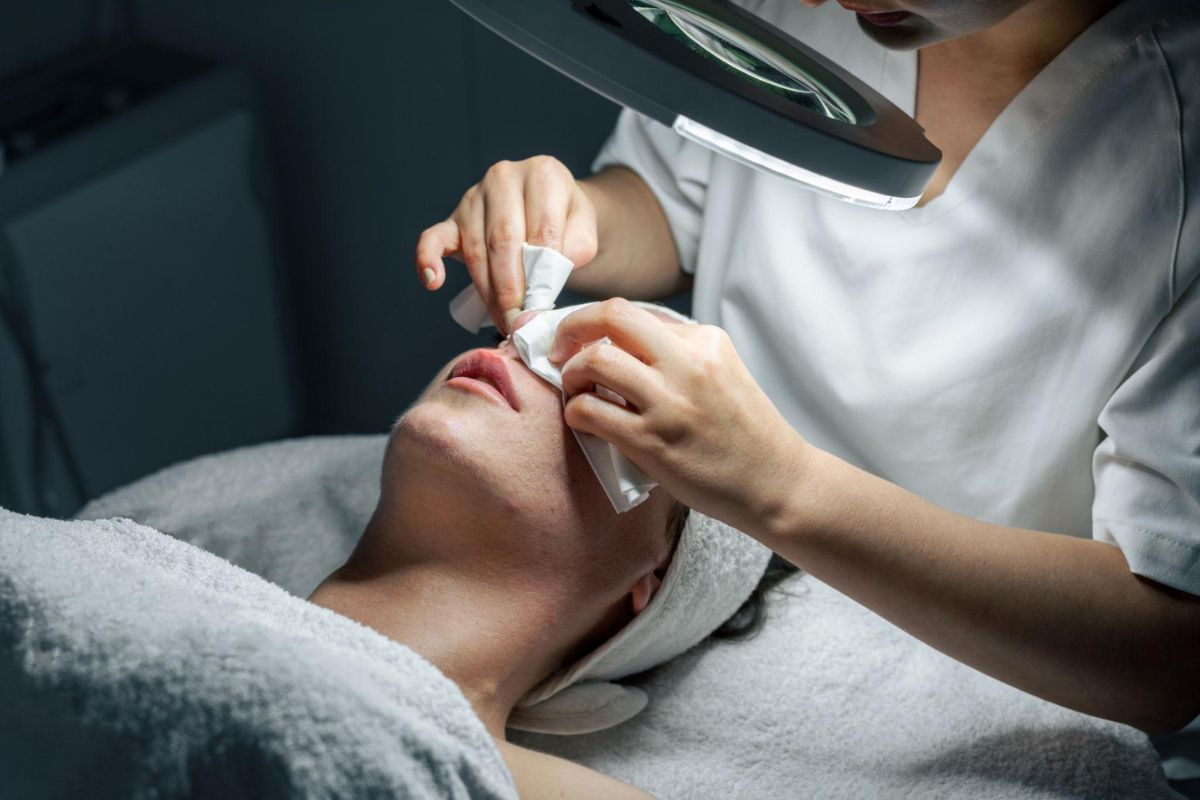
This is where professional guidance becomes especially valuable.
Seasonal skin changes often require treatment adjustments that are difficult to navigate alone.
During summer, oil production increases, congestion builds faster, and inflammation can become more reactive. Persistent acne breakouts may need more than over-the-counter treatments, and professional acne treatment helps manage these shifts in a controlled and customized way.
Acne facials help clear buildup before pores become severely congested or inflamed. Professional extractions also allow congestion to be removed more safely than attempting to treat it aggressively at home. For resistant breakouts and lingering post-breakout congestion, chemical peels can also be used as an in-office option.
Customized skincare recommendations become especially important during seasonal transitions because skin needs often change with heat and humidity. After sweating, it also helps to cleanse your skin with an antibacterial body wash to reduce bacterial growth and help prevent pore blockages.
Professional treatment can also help reduce post-inflammatory marks and prevent deeper congestion from developing into more painful cystic breakouts.
For many women, professional guidance shortens the amount of time spent guessing which products or routines might work. Worsening or cystic acne may also require oral medications and personalized treatment plans. If breakouts still do not improve, professional help is the clearest next step and it is time to seek professional care.
Who Is Most Likely to Experience Summer Acne
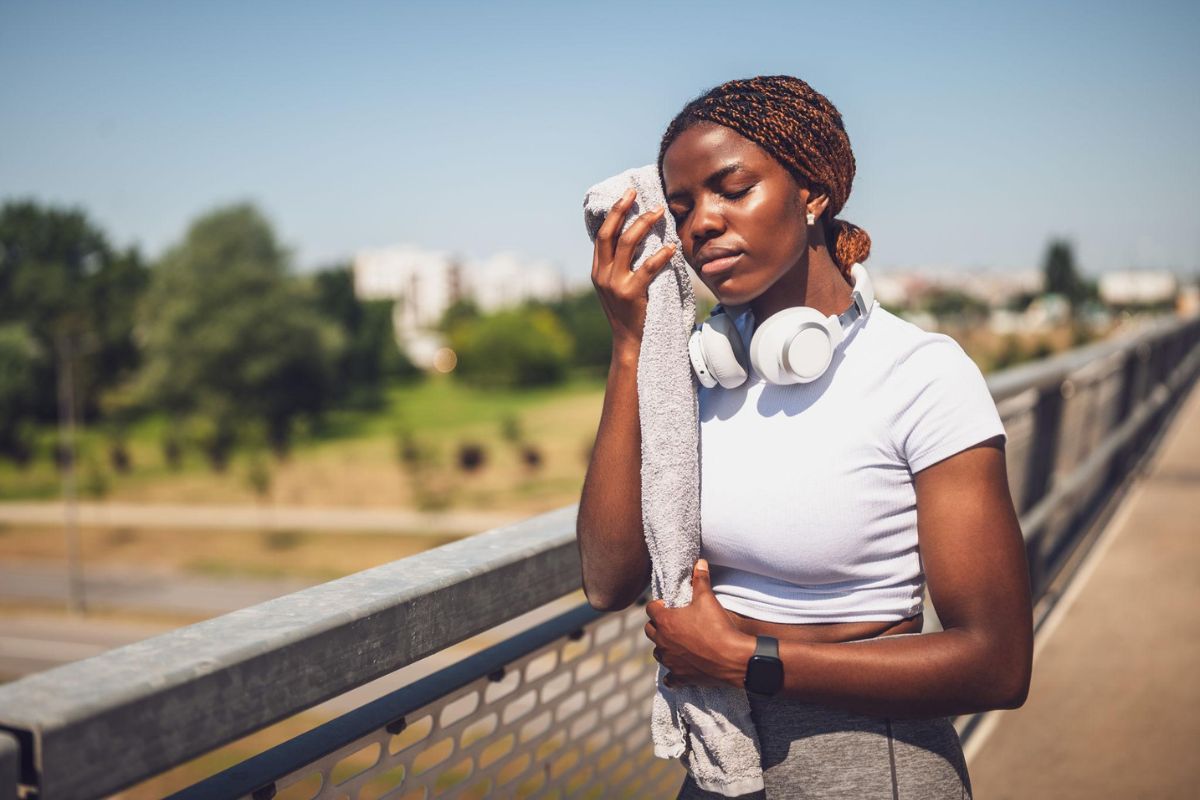
Some people are naturally more prone to summer acne than others.
Women with oily skin often notice increased congestion during hotter months because this skin type produces more oil in heat and humidity.
Hormonal acne sufferers may also experience more inflammation during summer, particularly around the jawline and chin.
Active lifestyles can contribute as well. Frequent workouts, sweat, friction, and tight athletic clothing may increase breakouts across the face, chest, shoulders, or back, so wearing breathable clothing made of lightweight cotton can help reduce sweat and friction, while tight gear can trap sweat and trigger acne.
Women who wear makeup and SPF daily may also notice more congestion during summer if products are too heavy, can block pores, or are not properly removed.
Even people with normally balanced skin can break out more during summer. This is why many women feel confused when their skin suddenly changes every year once temperatures rise, affecting the skin’s health more broadly.
Frequently Asked Questions About Summer Acne

Why does my acne get worse in the summer?
Heat, humidity, sweat, and product buildup can all contribute to more congestion and inflammation during summer months. Summer heat can also make skin produce more oil, while humidity creates a breeding ground for bacteria and inflammation. In many cases, this pattern is a form of seasonal acne.
Does sweat cause acne?
Sweat itself is not the direct cause of acne. The issue develops when sweat mixes with oil, bacteria, and buildup on the skin, especially after spending time outdoors or working out if it sits on the skin. Prompt cleansing can help prevent breakouts and keep your skin clearer.
Can sunscreen cause breakouts?
Some sunscreen formulas may clog pores, especially if they are too heavy for acne-prone skin. Lightweight, non-comedogenic SPF products are often a better option for daily sun protection, so opt for an oil free, broad-spectrum sunscreen with SPF 30 or higher. Mineral sunscreens with zinc oxide or titanium dioxide are often better for acne-prone skin because they are less likely to clog pores.
Why does excess oil make my skin oilier in the summer?
Hot weather stimulates oil glands, causing the skin to produce more sebum throughout the day.
Should I exfoliate more during summer?
Not necessarily. Over-exfoliating during summer can weaken the skin barrier and increase irritation and inflammation.
Are acne facials good for summer acne?
Yes. Acne facials can help reduce congestion, manage inflammation, and support clearer skin during seasonal changes. Some facials may also include a spot treatment for active blemishes to help skin clear more quickly.
How do I prevent summer breakouts?
Consistent skincare, lightweight hydration, acne-safe SPF, and professional guidance can all help reduce summer acne flare-ups. To support clear skin, stay hydrated and drink plenty of water, and include summer foods like leafy greens in your routine.