Closed Comedones Treatment
Closed comedones are one of the most common skin concerns people struggle with, yet many do not realize they are actually a form of acne.
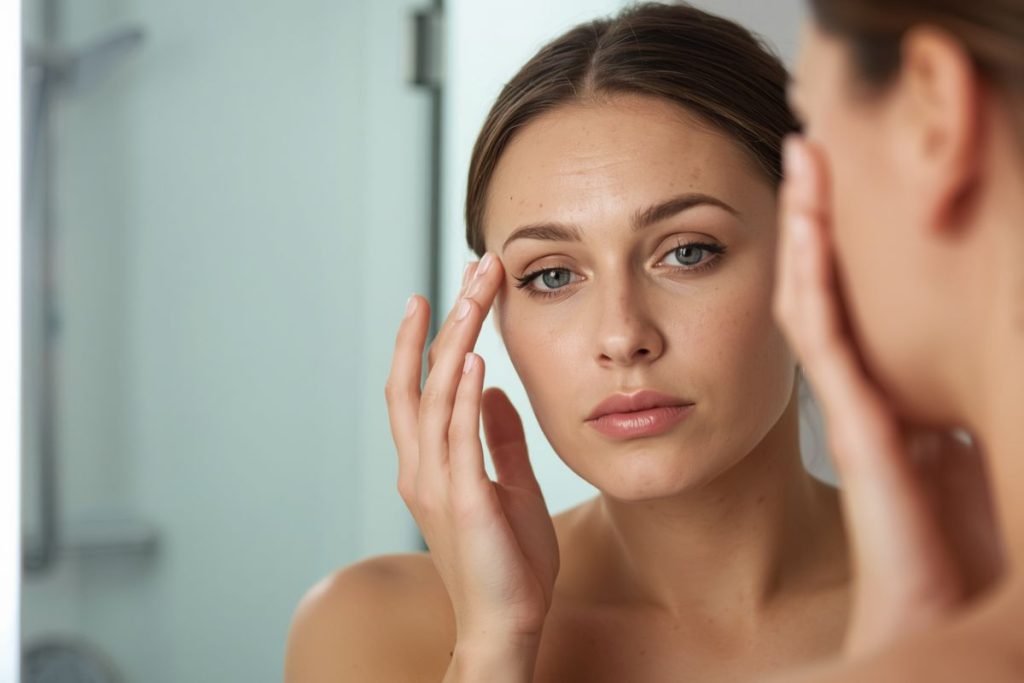
They often appear as tiny bumps that never seem to go away, especially across the forehead, cheeks, and chin. Many people searching for answers describe them as tiny bumps on the forehead that seem impossible to get rid of. Your skin feels rough, makeup sits unevenly, and no matter how many products you try, your complexion never feels completely smooth.
You may not have large, inflamed breakouts. In fact, your skin may look relatively clear from a distance. But up close, the texture tells a different story.
Many women find themselves asking the same questions:
- Why won’t these bumps go away?
- Why does my skin feel rough all the time?
- Why isn’t exfoliation helping?
- Is this even acne?
Closed comedones are not simply clogged pores. They are often a sign that the skin needs a different treatment approach.
As an acne specialist in Florence, KY, Gina Gruber has helped countless clients improve comedonal acne through customized acne facials and the Face Reality Acne Bootcamp. One of the most common things clients say during their consultation is, “I thought I just had bad skin texture.”
In this guide, you’ll learn what closed comedones are, why they develop, the mistakes that can make them worse, and how professional treatment can help you achieve smoother, clearer skin.
What Are Closed Comedones (Comedonal Acne) and Why Do They Form?
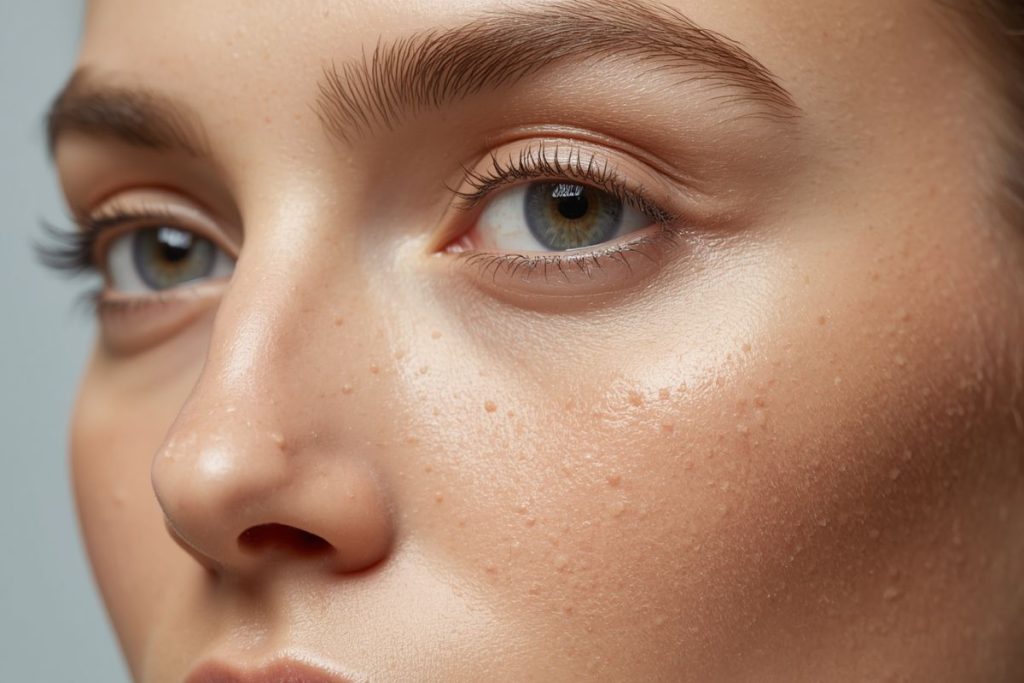
Closed comedones develop when excess sebum, dead skin cells, and debris clog hair follicles beneath the skin’s surface.
Unlike open comedones, commonly called blackheads, which remain open to the air and appear dark, closed comedones remain sealed beneath the skin. This is why they often appear as skin coloured small bumps beneath the skin’s surface, usually the same color as the surrounding skin, rather than inflamed acne lesions.
They are commonly found on the:
- Forehead
- Chin
- Jawline
- Cheeks
Many people describe them as skin that feels “bumpy” or “sandpaper-like.”
Because they sit beneath the surface, closed comedones can be particularly frustrating. They rarely disappear quickly and often persist for months if the underlying cause is not addressed.
Closed comedones, also known as whiteheads, are also known as comedonal acne, and they are one of the most common reasons people seek treatment for uneven skin texture.
Closed Comedones vs. Blackheads
Closed Comedones | Blackheads |
Closed beneath the skin | Open to the air |
Flesh-colored | Dark in appearance |
Difficult to extract | Easier to extract |
Feel rough or bumpy | Usually flatter |
Often persist for months | May clear more quickly |
Understanding the difference is important because these conditions often require different treatment approaches. In comedonal acne, most lesions are comedones rather than inflamed bumps.
Signs You May Be Dealing With Closed Comedones
Not sure if those tiny bumps are closed comedones?
Here are some common signs:
- Small flesh-colored bumps
- Rough or uneven skin texture
- Little to no redness
- Makeup settling into textured areas
- Persistent bumps that do not easily extract
- Congestion concentrated on the forehead, cheeks, or chin
Many people assume they simply have uneven texture when they are actually dealing with a mild form of acne that can be easy to miss.
One of the biggest clues is consistency. If the bumps remain for weeks or months despite changing products or exfoliating regularly, there is a good chance you’re dealing with closed comedones rather than temporary congestion.
Unlike inflammatory acne, closed comedones are often easy to overlook because they usually show up as small, skin-colored bumps with little redness instead of obvious, tender breakouts.
Why Those Tiny Bumps Often Refuse to Go Away
Closed comedones can be stubborn because they develop beneath the surface of the skin.
They are not always inflamed. They may not hurt. They often look harmless.
Unfortunately, that also means they are easy to ignore while they continue accumulating beneath the skin.
Several factors can contribute to their development, including:
- Pore-clogging ingredients
- Heavy skincare products
- Hormonal fluctuations, which can trigger increased sebum production and increased oil production as the male sex hormone testosterone stimulates the sebaceous glands
- Over-exfoliation
- Inconsistent routines
- Skin barrier disruption
They are especially common during puberty, menstrual cycles, and other times of hormonal change.
Many clients initially seek treatment because of persistent forehead congestion that never seems to improve, even after trying exfoliants, masks, and multiple skincare products.
Many clients seeking treatment for closed comedones in Florence, KY are surprised to learn that these persistent bumps are often one of the easiest forms of acne to improve once the underlying triggers are identified.
Skin that looks “almost clear” can still feel incredibly frustrating when it never feels smooth.
This is especially true for women who invest in quality skincare and feel like they are doing everything right.
The challenge is that many treatments focus on the surface of the skin while closed comedones require a more strategic approach.
Five Mistakes That Can Make Closed Comedones Worse
1. Over-Exfoliating
When bumps appear, many people assume they need to scrub harder or use more acids.
Unfortunately, excessive exfoliation can weaken the skin barrier and increase irritation without improving congestion.
2. Picking or Squeezing
Closed comedones do not extract easily.
Attempting to remove them at home often leads to inflammation, can trigger inflammatory acne, broken skin, and post-inflammatory marks, while increasing the risk of scarring; manual removal should be left to comedone extraction by a professional rather than attempted at home.
3. Using Products That Cause Clogged Pores
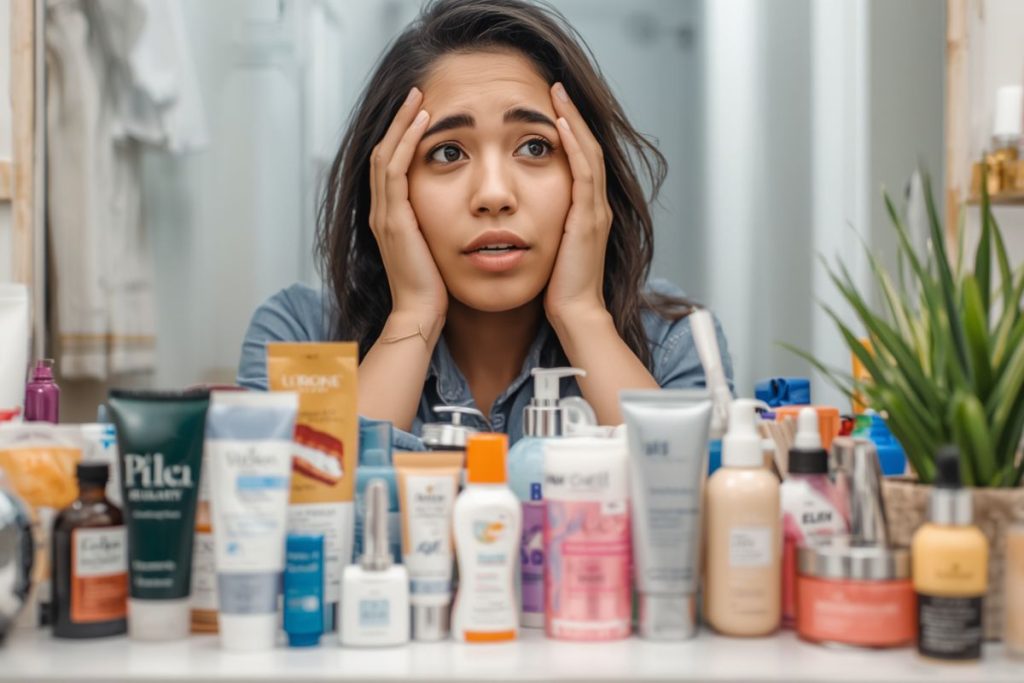
Many clients are surprised to discover that their moisturizer, foundation, SPF, or other makeup products may be contributing to persistent congestion.
Even products marketed as “clean” or “hydrating” are not always acne-safe. Choose non-comedogenic products to help prevent new closed comedones, especially if you have acne prone skin.
It also helps to clean makeup brushes regularly so product buildup doesn’t keep sitting on the skin.
4. Constantly Changing Your Routine
Switching products every few weeks makes it difficult to understand what is helping and what is hurting your skin.
A consistent skincare routine is one of the most overlooked factors in acne treatment, and keeping that routine stable can also help prevent future breakouts.
5. Waiting Too Long to Seek Professional Guidance
Many people spend years trying to solve closed comedones on their own.
Professional guidance can often shorten that timeline significantly.
More products do not always lead to better results. In many cases, a simpler and more intentional approach is exactly what the skin needs.
How to Treat Closed Comedones Safely and Effectively
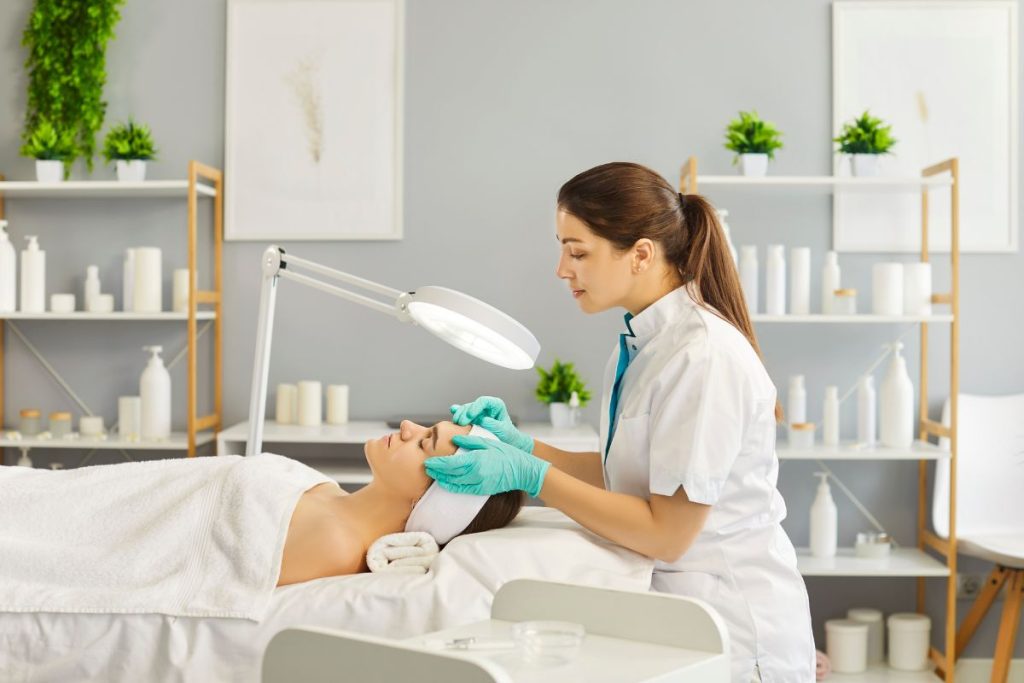
Closed comedones rarely improve overnight.
They respond best to consistent topical treatments, and topical retinoids are the most effective first-line treatment for closed comedones. To treat comedonal acne, use salicylic acid to unclog pores and reduce comedones, and remember that a balanced diet can help reduce the formation of closed comedones. The best treatments usually combine home care, lifestyle habits, and professional treatments based on skin type.
At-Home Strategies: Salicylic Acid and More
Start by simplifying your routine:
- Remove pore-clogging products.
- Use acne-safe skincare.
- Support the skin barrier.
- Avoid over-exfoliating.
- Stay consistent.
Use a gentle cleanser and, when appropriate, acne-safe topicals like salicylic acid, azelaic acid, or glycolic acid. Salicylic acid is a beta hydroxy acid that can unclog pores and reduce comedones, while glycolic acid works by promoting cell turnover; as chemical exfoliants dissolve the glue holding dead skin cells together, they help remove dead skin cells. A balanced diet rich in fruits, vegetables, and whole grains may help limit excess oil, and certain foods can worsen congestion for some people.
Many people are surprised by how much improvement occurs when they stop overwhelming their skin.
Professional Treatment Options: Chemical Peels and More
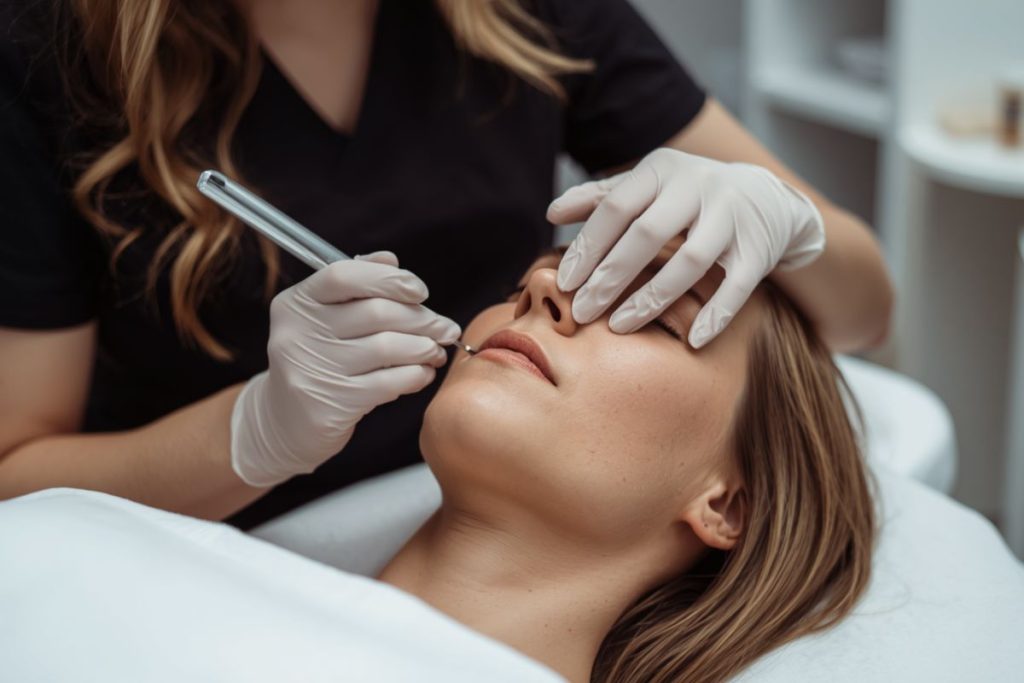
Professional treatments often accelerate progress and are one of the most effective approaches for stubborn or persistent comedones.
This may include:
- Acne facials
- Comedone extraction
- Chemical peels
- Customized homecare
- The Face Reality Acne Bootcamp, a structured acne-clearing program designed to address congestion, inflammation, and long-term skin health
Chemical peels using salicylic acid or glycolic acid can help exfoliate and unclog pores, while extraction removes existing bumps but does not prevent recurrence.
Treatment Ladder for Closed Comedones
- Eliminate pore-clogging products.
- Simplify your skincare routine.
- Prioritize barrier support.
- Add professional extractions when appropriate.
- Follow a customized acne treatment plan.
At Luminous Skin, many clients begin seeing improvements once they stop treating closed comedones like inflamed acne and start treating them for what they are, a form of persistent congestion that requires consistency.
If you’re struggling with ongoing texture concerns, you can learn more about our Acne Treatments, Acne Bootcamp, and Acne Facial services to determine which option may be the best fit for your skin.
You may also enjoy reading our blog, Why Acne Programs Work Better Than Random Products, to learn why consistency plays such an important role in long-term skin improvement.
If your congestion and breakouts tend to worsen during warmer months, you may also find our blog, Why Your Acne Gets Worse in the Summer, helpful.
How Long Does Closed Comedones Treatment Take?
One of the most common questions clients ask is how long it takes to see improvement.
The answer depends on several factors, including:
- How long the bumps have been present
- Current skincare products
- Hormonal influences
- Consistency with treatment
- Skin sensitivity
Many clients begin noticing changes within several weeks, while more significant improvements often occur over several months.
The first signs of progress are usually:
- Smoother skin texture
- Fewer new bumps
- Makeup applying more evenly
- Less overall congestion
Many clients notice their makeup applying more smoothly before they notice complete clearing. Improvements in texture are often the first sign that the treatment plan is working.
For many women, this is the first noticeable sign that their skin is changing. Foundation begins sitting more evenly, and the skin starts looking smoother in natural light.
Many clients also tell Gina they stop avoiding bright lighting and close-up photos once their skin texture begins to improve.
Progress is gradual.
Texture typically improves before perfection.
Closed comedones are absolutely treatable, but they require a long-term perspective and a willingness to stay consistent.
Who Is Most Likely to Develop Closed Comedones?
Closed comedones can affect nearly anyone, but they are particularly common among:
- Adults with hormonal acne
- Teenagers
- People with oily skin
- Individuals using multiple skincare products
- Women experiencing hormonal changes
- People with persistent congestion
Closed comedones can affect nearly anyone, but they may be more likely in people with hereditary tendencies who are developing comedonal acne. Closed comedones on the forehead are particularly common because oil production, hair products, sweat, and pore-clogging ingredients can all contribute to congestion in this area, and sandpaper comedones can cluster there and feel rough. Solar comedones are a different type linked to chronic sun exposure, often appearing on the cheeks and chin in older adults.
Even people who rarely experience inflamed acne can develop closed comedones.
This is why so many clients are surprised when they learn that their “skin texture issue” is actually acne.
Clearer Skin Starts With Understanding the Problem

Closed comedones are common, but they are also highly treatable.
The key is understanding that they often require a different strategy than inflamed acne.
As an Acne Specialist and Face Reality Acne Expert in Florence, KY, Gina Gruber helps clients identify the underlying causes of persistent congestion and create treatment plans tailored to their skin, since mild closed comedones often improve with topical care while persistent or more severe acne vulgaris may require prescription medications or oral medications under a dermatologist’s care, and oral antibiotics are typically reserved for inflammatory acne rather than simple closed comedones.
If you are tired of dealing with tiny bumps, forehead congestion, or skin that never feels completely smooth, schedule a consultation at Luminous Skin. The right treatment plan can make a bigger difference than another exfoliating product sitting on your bathroom counter, and while natural remedies or natural treatments may appeal to some people, they are not as clinically proven as targeted acne care.
Closed comedones may be stubborn, but they are not permanent. With consistency, professional guidance, and the right treatment plan, smoother and clearer skin is absolutely possible.